
In a world overflowing with distractions and temptations, the ascetic lifestyle stands out like a minimalist’s dream come true. Imagine trading in your smartphone for a simple bowl of rice and a quiet corner—sounds crazy, right? But for those who embrace this path, simplicity isn’t just a choice; it’s a way to find clarity and purpose amidst the chaos.
Living an ascetic life might seem like a recipe for boredom, but it’s really about discovering the richness of life through less. Picture yourself ditching the latest gadgets and trendy lattes for meditation and self-reflection. This isn’t just about deprivation; it’s about liberation. So, if you’re ready to swap your cluttered closet for a serene sanctuary, let’s explore the fascinating world of asceticism and see how it can transform everyday living into something extraordinary.
Understanding Ascetic Lifestyle
The ascetic lifestyle represents a conscious choice to prioritize simplicity and mindfulness. Individuals adopt this path to achieve greater clarity and purpose.
Definition of Asceticism
Asceticism entails a practice characterized by self-denial and minimalism. This lifestyle emphasizes voluntary simplicity, enabling people to focus on spiritual growth. Through abstaining from material comforts, practitioners seek deeper understanding and fulfillment. Ascetics often engage in disciplines such as meditation and self-reflection, paving the way for personal transformation.
Historical Context
Historically, ascetic practices appear across various cultures and religions. Ancient Indian philosophies, such as Hinduism and Buddhism, highlight asceticism as a means to attain enlightenment. Early Christian monasticism promoted self-discipline and spiritual purity. Throughout history, notable figures like Socrates and Gandhi exemplified ascetic principles, inspiring modern interpretations. As societies evolved, the relevance of asceticism fluctuated, yet its core values continue to resonate today.
Benefits of an Ascetic Lifestyle
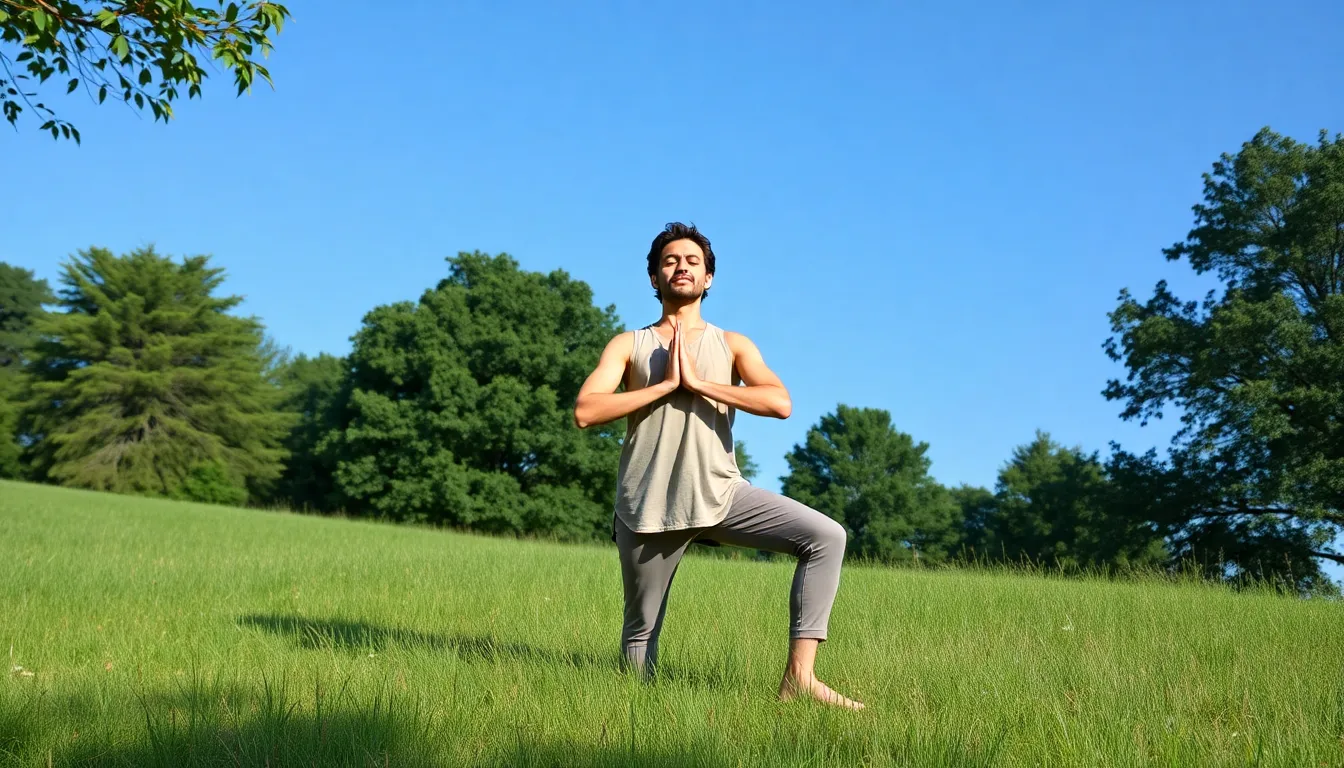
Choosing an ascetic lifestyle offers numerous benefits, significantly impacting both mental clarity and physical health.
Mental Clarity
Mental clarity emerges as a primary benefit of asceticism. Simplifying daily life reduces distractions and fosters a focused mindset. Focused meditation deepens self-reflection and enhances awareness of thoughts. With fewer external stimuli, individuals can prioritize personal growth. Self-discipline cultivates resilience against chaotic influences, allowing for clearer decision-making. By embracing ascetic practices, a person often experiences a renewed sense of purpose. Increased mindfulness fosters emotional stability, contributing to overall well-being.
Physical Health
Physical health also benefits from adopting an ascetic lifestyle. Reduced consumption of processed foods often leads to healthier eating habits. Emphasizing minimalist diets encourages individuals to choose whole, nutritious options. Regular physical activity becomes more manageable when distractions are minimized, promoting fitness. Engaging in practices like yoga or tai chi enhances both physical and mental health. Lower stress levels arise from the simplicity of living, further supporting overall wellness. Prioritizing physical health through asceticism contributes to longevity and vitality.
Common Practices in Ascetic Living
Ascetic living encompasses various practices aimed at achieving simplicity and depth in life. Adopting these practices can lead to transformative changes.
Minimalism
Minimalism serves as a foundation for ascetic living. Individuals often choose to declutter their environments, focusing only on essential possessions. This practice promotes a sense of freedom and reduces mental distractions. By simplifying spaces, they create a peaceful atmosphere conducive to contemplation and self-reflection. Many also embrace minimalism through financial choices, prioritizing needs over wants. This intentional approach encourages mindfulness regarding consumption and fosters a deeper appreciation for what remains.
Meditation and Mindfulness
Meditation and mindfulness form core aspects of ascetic practices. These techniques cultivate present-moment awareness and enhance mental clarity. Individuals often engage in daily meditation sessions, setting aside time to connect with their thoughts and emotions. Mindfulness practices encourage observation without judgment, allowing for profound insights and emotional balance. Many find that dedicating even a few minutes each day to these practices greatly improves overall well-being. This commitment to meditation and mindfulness supports personal growth and helps navigate the complexities of daily life.
Challenges of Embracing Asceticism
Embracing asceticism presents unique challenges that require careful navigation. Individuals may encounter significant hurdles on this path.
Social Isolation
Social isolation often arises from the ascetic lifestyle. Friends and family might not understand the individual’s choice to prioritize minimalism and self-denial. Withdrawal from social activities can lead to strained relationships. Moreover, limited social interactions may create feelings of loneliness. It’s common for those practicing asceticism to struggle with missed celebrations and gatherings. The intense focus on personal growth sometimes results in disconnect from communal support systems. Balancing personal goals with social needs becomes crucial for maintaining well-being.
Balancing Obligations
Balancing obligations poses another challenge for ascetics. Responsibilities in personal and professional spheres often conflict with the demands of a minimalist lifestyle. Obligations such as work commitments and familial duties can create stress. Those embracing asceticism must navigate these pressures while maintaining simplicity. Time management skills become essential in this context. Prioritizing tasks and letting go of non-essentials helps create a harmonious balance. Striving for equilibrium between spiritual pursuits and everyday obligations ensures sustainable practice.
The ascetic lifestyle offers a refreshing alternative to the chaos of modern existence. By embracing simplicity and mindfulness individuals can unlock deeper clarity and purpose in their lives. This conscious choice not only fosters spiritual growth but also enhances mental and physical well-being.
While challenges such as social isolation and balancing responsibilities may arise, the transformative benefits of asceticism can lead to a more fulfilling and intentional life. As individuals navigate their unique journeys toward minimalism and self-reflection they may find that the path less traveled can indeed lead to extraordinary experiences.