
When it comes to keeping our furry friends healthy, understanding medication dosages can feel like deciphering a secret code. Clindamycin, a trusty antibiotic, often steps in to save the day when dogs face infections. But just like you wouldn’t give a Great Dane the same snack as a Chihuahua, clindamycin dosage isn’t one-size-fits-all.
Overview of Clindamycin
Clindamycin targets bacterial infections in dogs effectively. This antibiotic belongs to the lincosamide class, making it distinct in its function. Commonly, veterinarians prescribe it for conditions such as abscesses, skin infections, and dental issues.
Weight influences the dosage, as heavier dogs typically require higher amounts than lighter breeds. For instance, a dog weighing around 10 pounds might receive a lower milligram dosage compared to a 50-pound dog.
Here are the general dosage guidelines based on weight:
| Dog Weight (lbs) | Clindamycin Dosage (mg) |
|---|---|
| 5 | 25 |
| 10 | 50 |
| 20 | 100 |
| 40 | 200 |
| 80 | 400 |
Side effects may occur, including gastrointestinal issues such as vomiting or diarrhea. Monitoring the dog during treatment is essential for identifying any adverse reactions.
Dosing frequency also varies. Typically, clindamycin is administered every 12 hours or every 24 hours, depending on the dog’s situation. Consulting a veterinarian ensures appropriate dosages tailored to the specific needs of the dog and the severity of the infection.
Overall, understanding clindamycin’s function and dosage based on weight remains crucial for effective treatment in dogs.
Importance of Proper Dosage
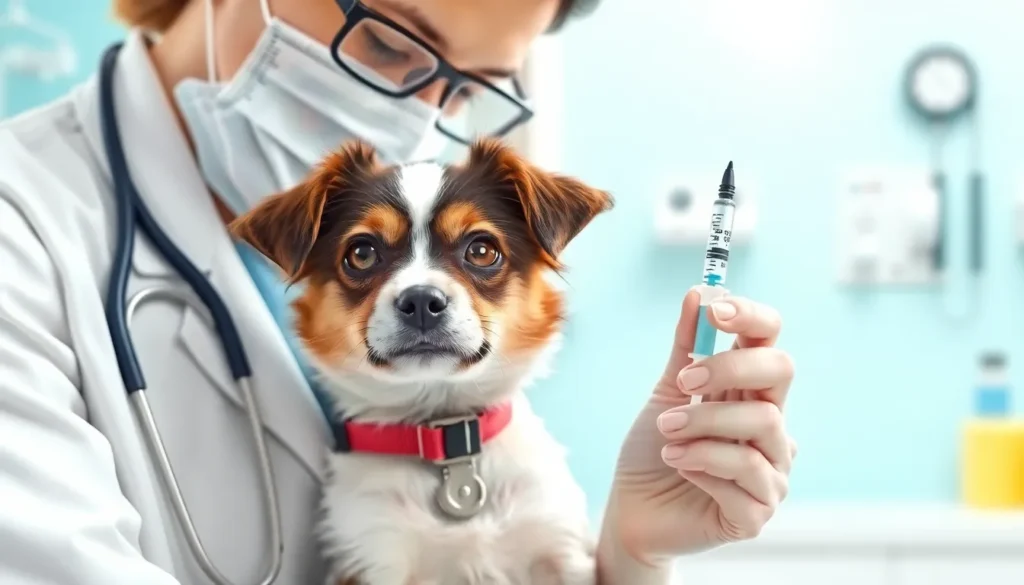
Proper dosage of clindamycin is essential for ensuring safe and effective treatment in dogs. Dosages vary based on individual factors, weight, and specific health conditions.
Factors Affecting Dosage
Weight significantly influences clindamycin dosage. Larger dogs often require more medication than smaller breeds. Age also plays a role, as older dogs may metabolize drugs differently. Health status impacts dosage recommendations, especially if a dog has underlying conditions or takes other medications. Metabolism varies among breeds, leading to different responses to the same dosage. Monitoring weight changes helps adjust dosage effectively.
Risks of Incorrect Dosage
Incorrect dosage can lead to severe health risks. Overdosing might result in gastrointestinal distress or more serious complications. Under-dosing can hinder the effectiveness of clindamycin, allowing infections to persist. Side effects vary widely, including vomiting or diarrhea, which may require additional veterinary care. Immediate consultation with a veterinarian is crucial for any signs of adverse reactions. Careful adherence to prescribed dosages reduces the likelihood of complications and enhances recovery.
Clindamycin Dosage Guidelines
Understanding clindamycin dosage is crucial for effective treatment in dogs. Precise calculations help prevent complications and ensure safety during administration.
General Dosage Recommendations
Veterinarians typically recommend an initial dosage of 5 to 15 mg per kilogram of body weight. For most dogs, a common approach often involves administering clindamycin every 12 or 24 hours, depending on the condition being treated. Monitoring each dog’s response plays a vital role in adjusting dosages as necessary. Gradual changes may help mitigate the risk of adverse effects. Regular vet consultations ensure compliance with these guidelines and tailored adjustments based on individual health.
Dosage Based on Weight
Determining dosage based on weight enhances the effectiveness of treatment. For example, a 10 kg dog might receive 50 mg, while a 20 kg dog may require 100 mg. Weight assessments guide these calculations, ensuring they reflect the specific needs of the dog. Larger breeds often necessitate higher doses due to their size, while smaller dogs may need lower amounts. Adjustments should not be overlooked, especially for dogs with underlying health conditions. Accurate dosing supports recovery from conditions like abscesses and skin infections.
Administration and Precautions
Clindamycin administration in dogs requires careful consideration of various factors. Ensure that the correct dosage aligns with the dog’s weight to maximize effectiveness and minimize risks. For instance, a dog weighing 10 kg may need an initial dose of 50 mg, while a larger dog at 20 kg typically requires 100 mg. Close monitoring during treatment is critical, particularly in observing for side effects like vomiting or diarrhea.
Timing of administration plays a role in treatment efficacy. Clindamycin is usually given every 12 or 24 hours depending on specific health needs. Following veterinarian guidelines for timing and dosage frequency enhances the antibiotic’s impact, ensuring the dog receives optimal therapeutic effects.
Allergic reactions can present additional concerns. Identifying any previous medication sensitivities helps prevent complications. In the event of severe side effects or signs of an allergic reaction, immediate veterinary attention is essential.
Combining clindamycin with other medications necessitates caution as drug interactions may occur. Always consult the veterinarian before introducing new medications or supplements while the dog is undergoing treatment.
Maintaining a consistent schedule supports the treatment plan. Routine helps the dog adapt and can improve adherence to the prescribed medication regimen. Regular veterinary check-ins provide an opportunity to evaluate the dog’s response to clindamycin, allowing for further adjustments as necessary based on the dog’s health status.
Overall, judicious administration and close observation lead to safer clindamycin use. Ensuring proper understanding of dosing guidelines minimizes health risks associated with incorrect dosages and fosters effective treatment outcomes for dogs.
Understanding clindamycin dosage for dogs is vital for safe and effective treatment. Individual factors such as weight and health status play a significant role in determining the appropriate dosage. Regular monitoring and veterinary consultations ensure that each dog receives the right amount, minimizing the risk of side effects. Adhering to the recommended guidelines helps optimize recovery and maintain the overall well-being of pets. By prioritizing careful administration and consistent follow-ups, dog owners can support their furry companions in overcoming infections with confidence.