In a world where robots are no longer just the stuff of sci-fi movies, industrial artificial intelligence is stepping up to the plate. Imagine a factory floor where machines don’t just follow orders but learn, adapt, and even predict maintenance needs faster than you can say “malfunction.” This isn’t just a dream; it’s the new norm, and it’s transforming industries at lightning speed.
From optimizing production lines to enhancing safety protocols, AI is the unsung hero of modern manufacturing. With its ability to crunch data and deliver insights, it’s like having a super-smart assistant who never needs a coffee break. So buckle up and get ready to explore how industrial AI is reshaping the landscape, making operations smoother, safer, and a whole lot more efficient. Who knows? You might just find yourself wishing for a robot buddy of your own.
Overview Of Industrial Artificial Intelligence
Industrial artificial intelligence (AI) involves sophisticated algorithms and machine learning techniques designed to improve manufacturing processes. This technology analyzes vast amounts of data, delivering insights that drive efficiency and reduce waste. Organizations leverage AI to enhance predictive maintenance, allowing machines to indicate when repairs are necessary before failures occur.
Automation forms a significant aspect of industrial AI. Systems equipped with AI can autonomously manage production lines, respond to real-time changes, and maintain optimal workflow. Combining AI with robotics leads to increased productivity, enabling factories to operate at higher speeds while maintaining quality.
In the realm of safety, AI enhances monitoring systems. Smart sensors detect anomalies or hazards, providing alerts that significantly reduce workplace accidents. Companies implementing AI-driven safety protocols can achieve compliance with regulations more effectively.
Moreover, industrial AI fosters collaboration between humans and machines. By analyzing data from sensors and equipment, AI enables workers to make informed decisions and focus on complex tasks that require human judgment. The shift towards human-AI collaboration promotes a synergistic working environment, enhancing overall operational performance.
Data integration plays a key role in maximizing AI’s potential. Real-time data from various sources, such as supply chain networks or production equipment, forms a comprehensive picture of operations. This approach allows organizations to identify bottlenecks and streamline processes.
Investing in industrial AI proves beneficial for long-term growth. Companies that embrace AI technologies position themselves as leaders in innovation, reinforcing their competitive edge. Adopting these advancements not only leads to operational improvements but also drives sustainable practices within the industry.
Applications Of Industrial Artificial Intelligence
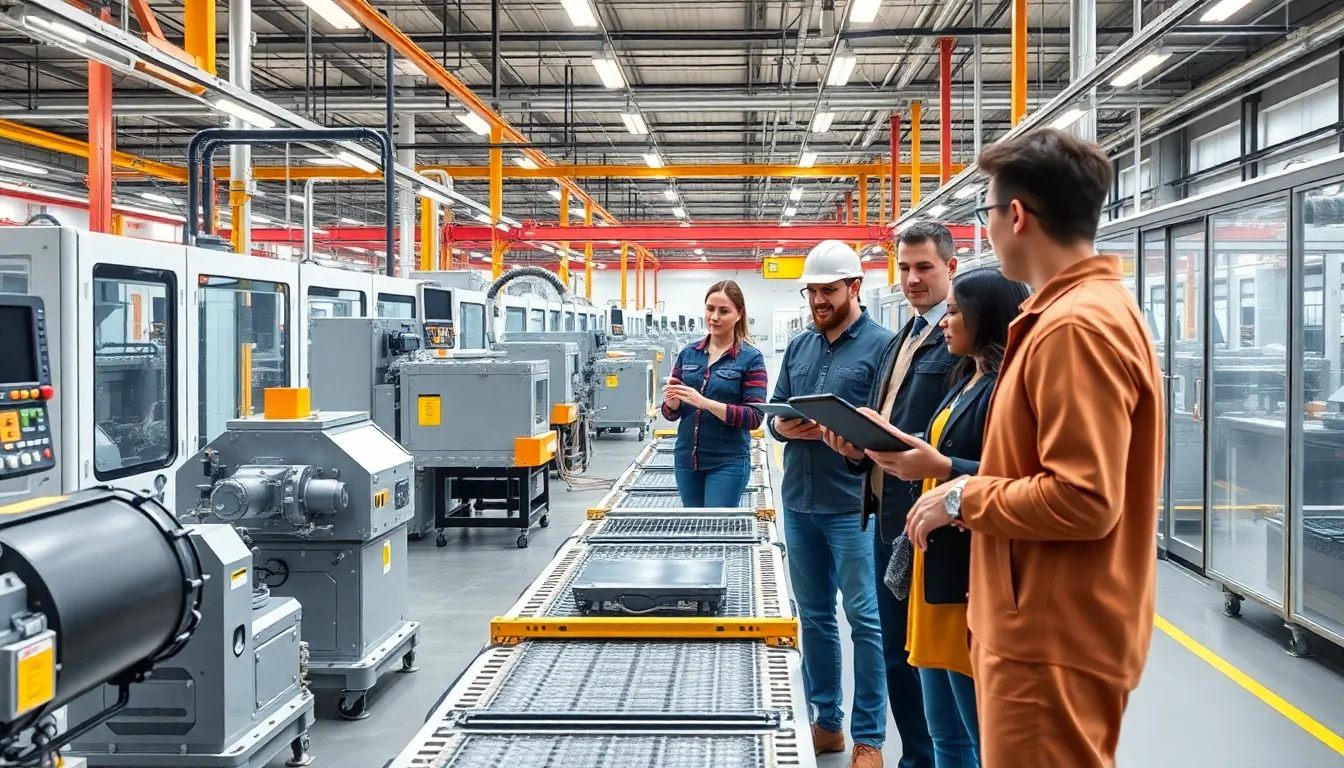
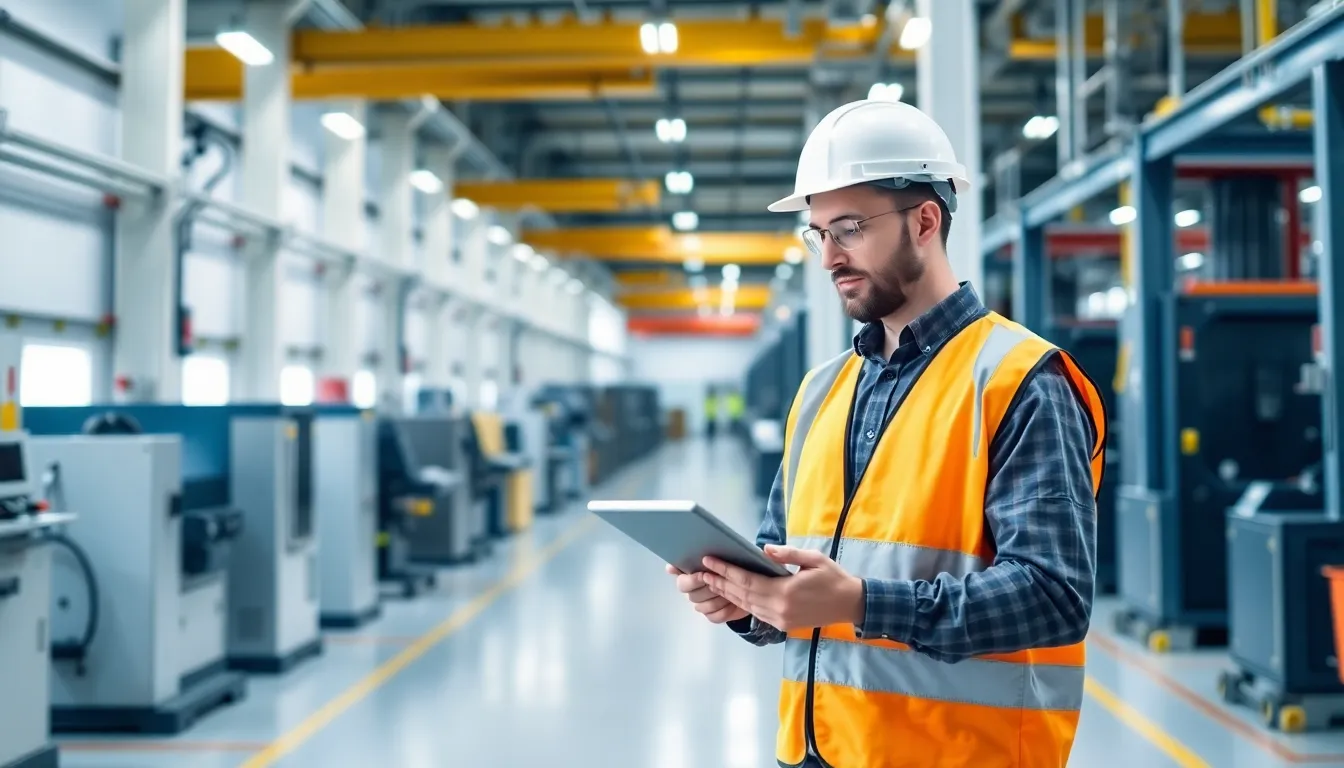
Industrial artificial intelligence transforms various sectors by enhancing efficiency and ensuring safety. Key applications include predictive maintenance and quality control.
Predictive Maintenance
Predictive maintenance uses AI algorithms to forecast equipment failures. These algorithms analyze historical data and equipment usage patterns, leading to timely intervention. By predicting when machinery requires maintenance, organizations reduce unexpected downtime. Machine learning models also identify anomalies, enabling earlier detection of potential issues. Companies save costs on repairs and extend equipment life by proactively addressing maintenance needs. This approach optimizes asset management and enhances operational reliability.
Quality Control
Quality control benefits significantly from industrial AI. Smart systems inspect products in real time, detecting defects that human eyes might miss. Machine learning trains these systems to improve accuracy over time. Automated inspections ensure consistent quality across production lines. By providing immediate feedback to operators, AI helps reduce waste during manufacturing processes. Organizations that implement AI-driven quality control often experience enhanced customer satisfaction and brand loyalty.
Benefits Of Industrial Artificial Intelligence
Industrial artificial intelligence significantly enhances operational capabilities across various sectors. Its implementation leads to remarkable improvements, particularly in manufacturing environments.
Increased Efficiency
AI automates repetitive tasks, allowing workers to concentrate on more complex responsibilities. Data-driven insights enable organizations to optimize production processes. Predictive algorithms anticipate equipment failures, minimizing unexpected downtimes. Additionally, real-time monitoring contributes to swift responses to anomalies, ensuring continuous operations. Companies witness reduced waste, further maximizing resources. AI-driven systems adapt to changing demands, maintaining consistent productivity levels.
Enhanced Decision Making
Advanced analytics support data-informed decisions in industrial settings. AI processes vast amounts of data quickly and accurately, revealing trends that human analysis may overlook. Consequently, stakeholders gain valuable insights into operational inefficiencies. Timely access to critical information allows organizations to implement corrective measures promptly. Collaboration between AI and human teams enhances the overall decision-making process. Organizations leverage AI to refine strategies, thereby increasing competitiveness in the market. Continuous learning from AI fosters an environment of innovation and adaptability.
Challenges In Implementing Industrial Artificial Intelligence
Implementing industrial artificial intelligence (AI) involves several challenges that organizations must navigate to maximize effectiveness.
Data Quality And Integration
Data quality and integration play critical roles in AI applications. Accurate, high-quality data drives reliable insights, while incomplete or inaccurate data can lead to faulty conclusions. Organizations must prioritize the integration of data from various sources, including sensors, machines, and enterprise systems. Achieving seamless data integration enables AI algorithms to analyze significant datasets efficiently. Companies face hurdles when dealing with legacy systems that lack compatibility with modern AI tools. Addressing these issues requires strategic planning to ensure systems work together, allowing organizations to leverage AI capabilities fully.
Skills Gap And Workforce Training
A noticeable skills gap exists in the workforce regarding AI implementation. Many employees lack adequate training in AI technologies and data analytics. Bridging this gap becomes essential to maximize productivity and innovation. Organizations should invest in ongoing training programs to upskill employees and prepare them for collaborative roles alongside AI systems. Emphasizing cross-disciplinary training enhances adaptability, enabling workers to utilize AI tools effectively. Developing a skilled workforce ensures that companies can harness the full potential of industrial AI, driving overall operational success.
Future Trends In Industrial Artificial Intelligence
Emerging trends in industrial artificial intelligence point towards greater integration and sophistication in factory operations. Organizations increasingly adopt edge computing to process data closer to the source, improving response times and facilitating real-time analytics. This shift enhances predictive maintenance by enabling machines to analyze their own performance metrics without relying solely on centralized data sources.
Utilization of augmented and virtual reality (AR/VR) technologies becomes more prevalent in training employees and assisting technicians. Workers benefit from immersive experiences that provide practical, hands-on understanding of complex systems, leading to increased efficiency and reduced onboarding times.
AI models are becoming more transparent, enabling engineers to understand decision-making processes better. Enhanced interpretability results in increased trust in AI systems, making it easier for teams to implement these technologies across various levels of operations.
Collaboration between AI and the Internet of Things (IoT) continues to grow, creating a more interconnected manufacturing environment. Smart devices generate vast amounts of data, which AI analyses, leading to optimized production schedules and reduced waste. This synergy fosters an ecosystem where machines adapt and respond proactively to changing conditions.
Adoption of AI-driven robotics will shift towards more versatile and adaptable systems. Robots equipped with advanced AI will learn from their environments and complete a range of tasks, increasing flexibility on the production floor. Manufacturing lines will become more dynamic, allowing companies to respond to market demands swiftly.
Concerns regarding workforce readiness increase, highlighting the need for skilling and reskilling programs. Organizations prioritize continuous training to equip employees with the necessary skills for collaboration with AI systems. Aligning workforce capabilities with technological advancements will be crucial for maximizing the benefits of industrial AI.