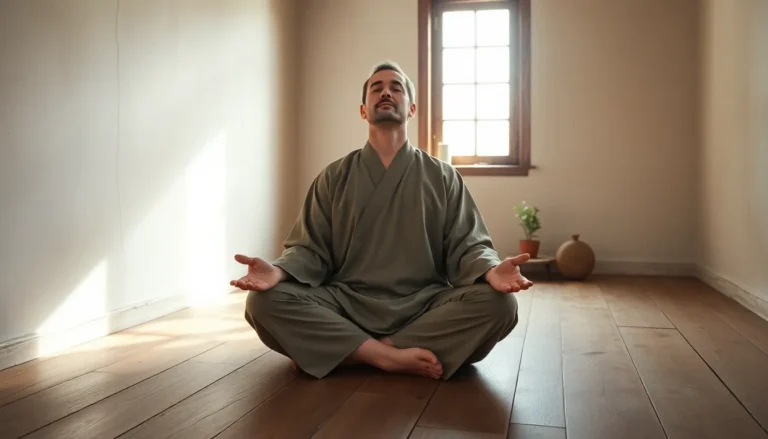
In a world that often feels like a chaotic circus, finding peace can seem as elusive as a well-trained lion. Enter “structured serenity,” the art of creating calm amidst the clamor. Imagine transforming your daily grind into a sanctuary of tranquility where stress takes a backseat and productivity flourishes. Sounds dreamy, right?
Understanding Structured Serenity
Structured serenity creates a peaceful environment amidst life’s chaos. This approach allows individuals to cultivate calm through mindful actions and organized practices.
Defining Structured Serenity
Structured serenity refers to the intentional design of one’s surroundings and routines to promote tranquility. It involves establishing environments that encourage relaxation despite external pressures. By integrating calming elements such as nature-inspired decor or organized spaces, individuals achieve a sense of peace. Achieving structured serenity leads to reduced anxiety and improved focus, enhancing overall well-being.
Key Principles of Structured Serenity
Key principles of structured serenity include intentionality, organization, and mindfulness. Intentionality focuses on making conscious choices that support a calm mindset. Organization emphasizes the arrangement of physical spaces to minimize distractions. Mindfulness encourages developing awareness of thoughts and feelings, promoting inner peace. Cultivating these principles strengthens resilience against stressors and enhances daily productivity.
Benefits of Structured Serenity
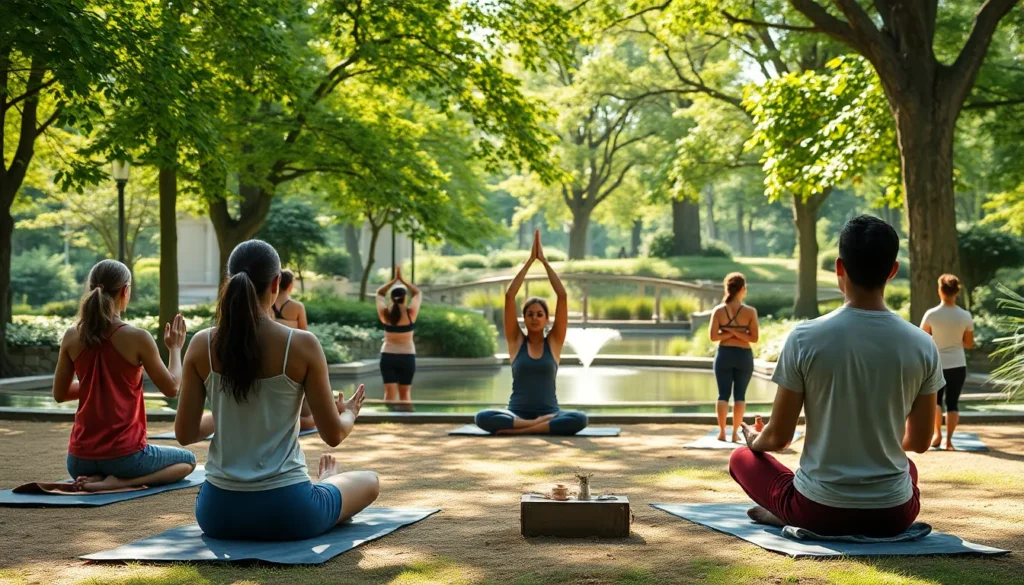
Structured serenity offers various benefits that enhance overall well-being. It promotes a peaceful existence and allows individuals to thrive in their daily lives.
Mental Well-Being
Mental well-being improves significantly through structured serenity. Individuals experience reduced anxiety levels, resulting in a calmer mindset. Practices such as mindful actions and intentional living foster emotional balance. Cultivating a serene environment enables increased self-awareness and promotes resilience toward stressors. Engaging regularly in calming routines strengthens mental health, leading to enhanced emotional stability. Incorporating elements that minimize chaos not only creates tranquility but also helps in managing daily challenges more effectively.
Improved Focus and Productivity
Improved focus and productivity directly relate to structured serenity. It enhances concentration by minimizing distractions in one’s environment. Organizing physical spaces fosters a sense of order that boosts efficiency. Consequently, task completion becomes easier and quicker when one operates within a serene framework. Clarity of thought emerges as routines become more mindful and intentional. Regularly engaging in practices that promote structured serenity leads to achieving goals more efficiently and reducing feelings of overwhelm.
Implementing Structured Serenity
Implementing structured serenity involves actionable steps that foster a tranquil environment. By focusing on environmental factors and daily habits, individuals can enhance their sense of calm.
Creating a Structured Environment
Organizing a physical space promotes serenity. Begin by decluttering areas to reduce distractions. Use calming colors like soft blues or greens to inspire relaxation. Arrange furniture to create an open and inviting flow. Incorporate nature through plants or natural light, which enhances a sense of well-being. Establish dedicated zones for work, relaxation, and mindfulness practices. Each zone supports specific activities and mental clarity. Structured environments reflect intentionality, making it easier to maintain calm amidst everyday chaos.
Developing a Daily Routine
Adopting a daily routine cultivates predictability and reduces stress. Start mornings with a mindfulness practice, such as meditation or deep breathing exercises. Prioritize tasks by importance, using tools like to-do lists for clarity. Integrate short breaks to recharge, helping to maintain focus throughout the day. Incorporating physical activity also uplifts mood and energy. Evening rituals, such as reading or journaling, provide a wind-down period for reflection. Daily routines promote consistency and make it easier to nurture a serene mindset.
Challenges to Achieving Structured Serenity
Achieving structured serenity presents various challenges individuals must navigate. Recognizing these obstacles is the first step toward cultivating a peaceful environment.
Common Obstacles
Distractions frequently derail attempts to create tranquility. Notifications from devices, cluttered workspaces, and noisy surroundings can quickly disrupt focus. Stress also poses a significant barrier, as emotional turmoil often leads to a chaotic mindset and hinders the ability to prioritize. Time constraints further add pressure, making it difficult to carve out moments for self-care and mindfulness practices. Social commitments, although important, sometimes conflict with personal serenity, leaving individuals feeling overwhelmed.
Strategies to Overcome Challenges
Implementing effective strategies helps overcome these common obstacles. Establishing a daily routine fosters stability and predictability. Setting designated times for work and relaxation allows individuals to maintain clear boundaries. Practicing mindfulness techniques, such as deep breathing or meditation, aids in managing stress and enhancing focus. Creating a clutter-free workspace promotes organization and reduces distractions. Additionally, turning off notifications during designated serene moments minimizes interruptions and reinforces tranquility. Prioritizing self-care ensures time dedicated to nurturing peace, fostering a more structured and serene lifestyle.
Embracing structured serenity opens the door to a more tranquil and fulfilling life. By intentionally designing environments and routines, individuals can cultivate calm and enhance their overall well-being. The principles of mindfulness and organization foster resilience against daily stressors, making it easier to navigate challenges.
Implementing simple strategies like decluttering and establishing dedicated spaces can lead to significant improvements in mental clarity and focus. As individuals commit to nurturing their serene environments, they not only reduce anxiety but also boost productivity. Structured serenity isn’t just a concept; it’s a pathway to a more peaceful existence amidst the chaos of everyday life.