Teal is that delightful color that seems to have a personality all its own. Imagine a tropical sea on a sunny day mixed with a hint of sophistication. It’s not quite blue and not quite green, but it’s definitely the life of the color party. If colors had social gatherings, teal would be the charming guest who knows how to balance fun and elegance.
Understanding Teal
Teal stands out as a captivating color that combines the tranquility of blue with the rejuvenating aspects of green. This unique blend appeals to many for its versatility.
Definition of Teal
Teal is a medium to dark blue-green color, sitting between blue and green on the color wheel. It typically features a balance of both primary colors, often described using specific color codes. In RGB, teal has values of 0, 128, 128, while in HEX it appears as #008080. This color delivers a rich and complex visual that conveys both calmness and energy, frequently used in design and fashion.
History of Teal
Teal’s historical roots trace back to its naming in the 20th century. The color derived its name from the common teal, a freshwater duck with similarly colored feathers. Records show that teal gained popularity in the 1920s and 1930s, often associated with art deco aesthetics. By the 1960s, teal found its way into pop culture and interior design, contributing to a vibrant palette during that era. Teal’s presence in various historical contexts showcases its enduring appeal and adaptability through time.
Shades of Teal
Teal presents a variety of shades that each evoke distinct feelings and aesthetics. These shades range from light hues that are airy to deep tones that create richness.
Light Teal
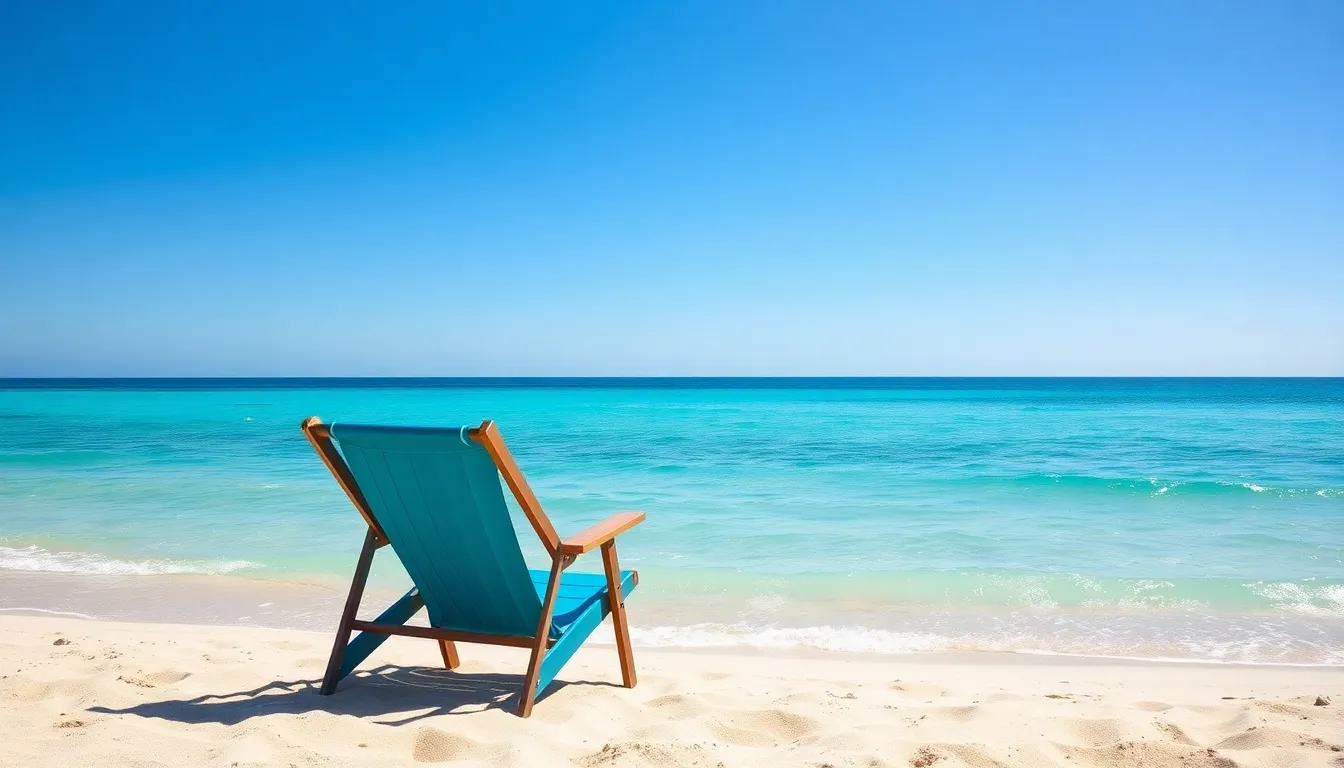
Light teal, often described as a soft and refreshing color, introduces a sense of calmness. This shade combines pale blue with subtle green, offering a tranquil effect. Light teal complements pastel palettes and enhances spaces where serenity is desired. Frequently used in beach-themed décor, it evokes memories of bright skies and clear waters. Digital designs showcase light teal in various contexts, appealing to modern aesthetics. The RGB values typically range around 127, 255, 255, translating to the HEX code #7FFFD4.
Dark Teal
Dark teal carries a deeper, more sophisticated essence. The shade blends rich blue and green tones, establishing a bold statement in design. Dark teal acts as a grounding color, creating visual stability when paired with brighter accents. It finds common usage in luxury items and sleek interiors, embodying elegance and depth. RGB values reflect this intensity, usually around 0, 100, 100, resulting in the HEX code #006B6B. Dark teal remains a popular choice in contemporary design, showcasing versatility and timeless appeal.
Psychological Effects of Teal
Teal evokes a range of psychological effects, influencing emotions and perceptions.
Emotional Response
Many people associate teal with tranquility and balance. This color brings feelings of calmness, often likened to serene ocean views. Teal can also stimulate creativity, making it popular in artistic spaces. Those drawn to teal may experience feelings of rejuvenation and refreshment, enhancing their overall mood. Its dual nature, combining stability from blue and vitality from green, promotes emotional well-being.
Cultural Significance
Teal holds significant cultural meaning across various contexts. In many Eastern cultures, teal symbolizes tranquility and peace, often used in art and decor to create a calming atmosphere. Western societies often view teal as a representation of sophistication and refinement, commonly seen in fashion and branding. Many schools and sports teams incorporate teal to convey a sense of loyalty and team spirit. Its versatility allows it to transcend trends, making teal a lasting presence in global culture.
Teal in Design
Teal embodies versatility in design, making it a popular choice across various styles.
Home Decor
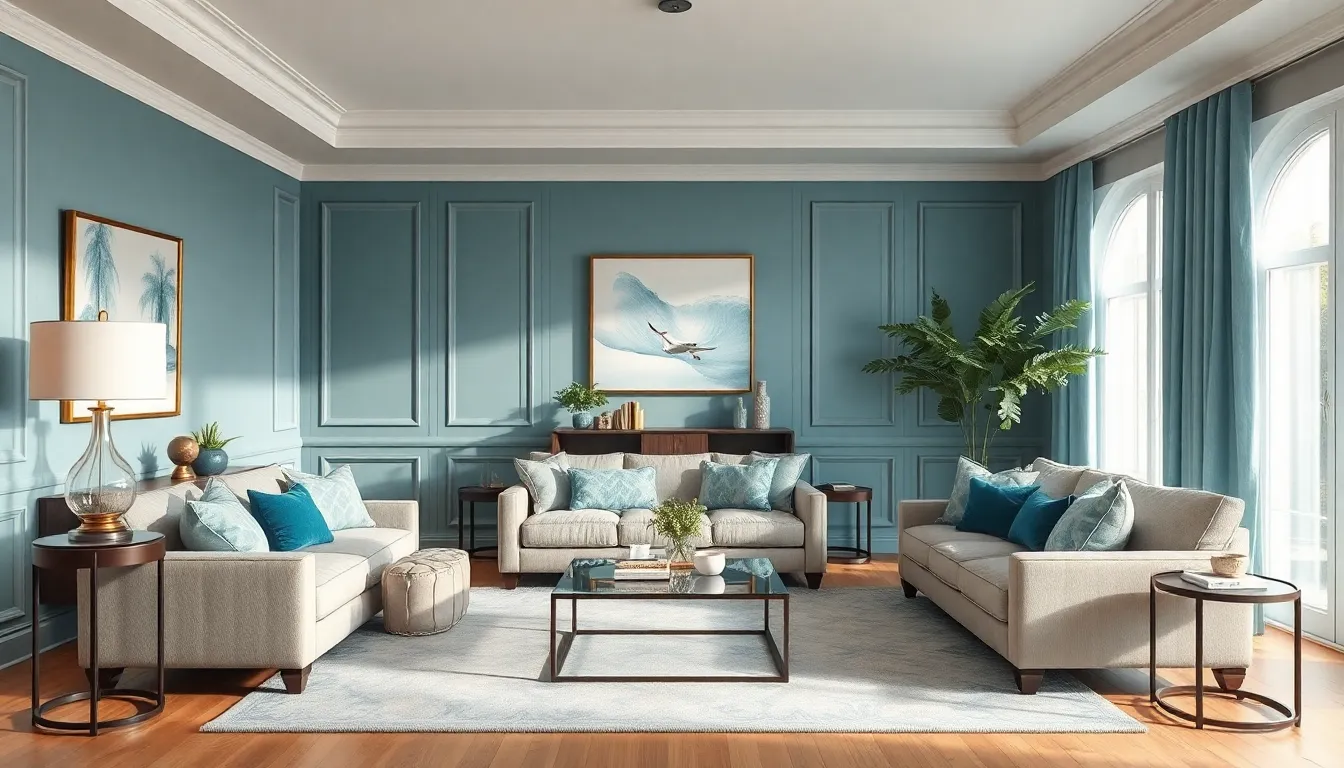
Teal enhances home decor with its calming presence. Often used in living rooms and bedrooms, light teal creates a serene atmosphere, complementing soft furnishings. Dark teal introduces sophistication, turning accent walls into focal points. It works well with neutrals like gray and white, providing a vibrant contrast. Additionally, teal pairs beautifully with natural materials like wood, promoting an organic feel. Incorporating this hue in accessories such as pillows and curtains adds a refreshing touch to any space.
Fashion Trends
Teal shines in fashion trends, standing out in both casual and formal wear. The blend of blue and green captures attention, appealing to diverse aesthetics. Designers utilize light teal for summer collections, reflecting freshness and vibrancy. Dark teal finds its way into evening attire, exuding elegance and class. Accessories in teal, including bags and shoes, elevate outfits with a pop of color. This hue confidently transitions through seasons, making it a staple in wardrobes, thus maintaining its status in contemporary fashion.